

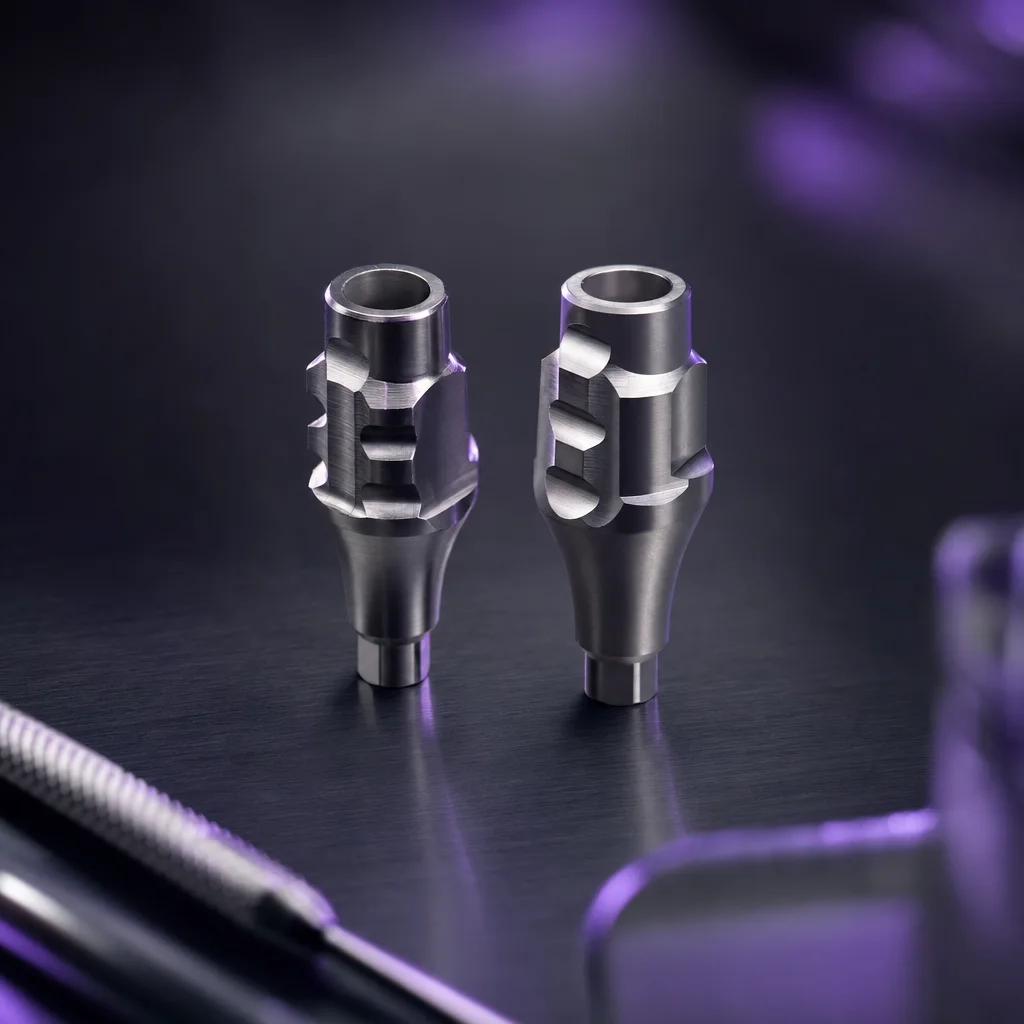
Screw, cement, or the best of both
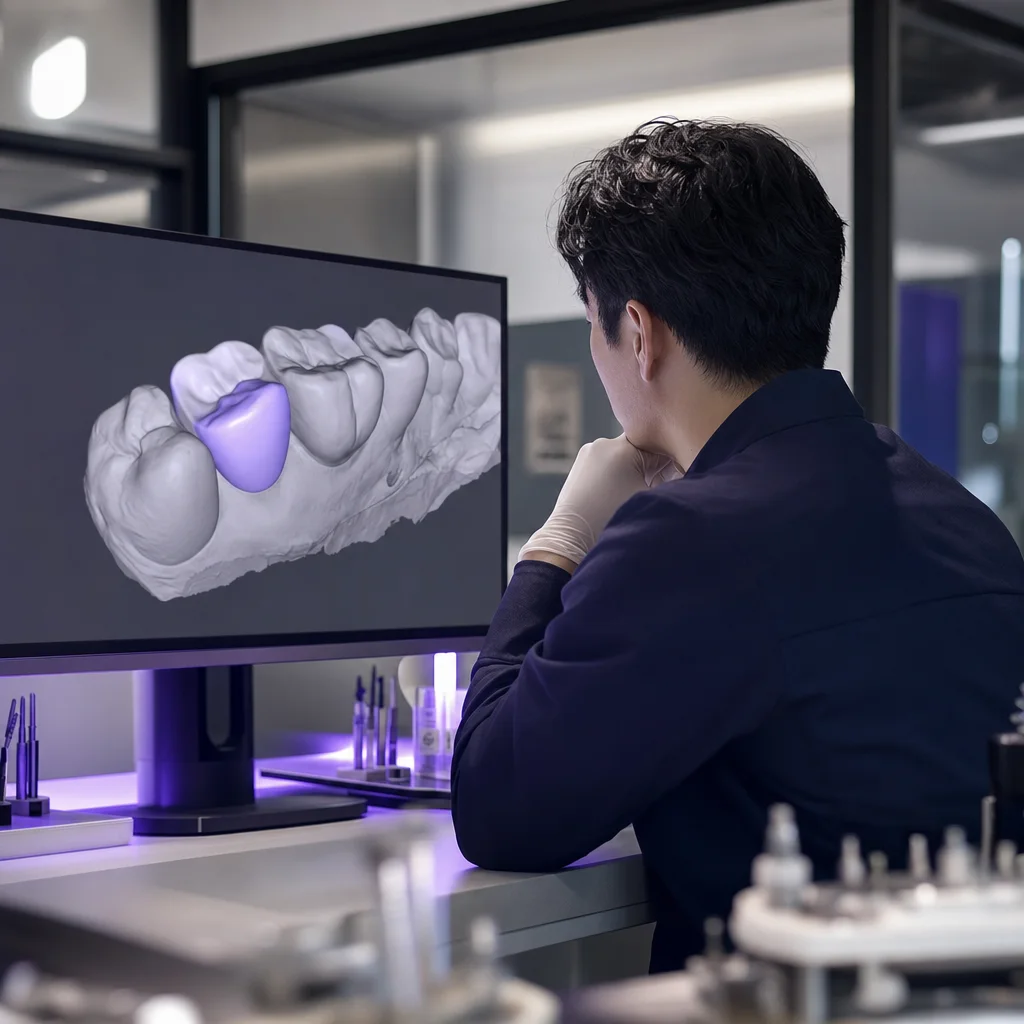
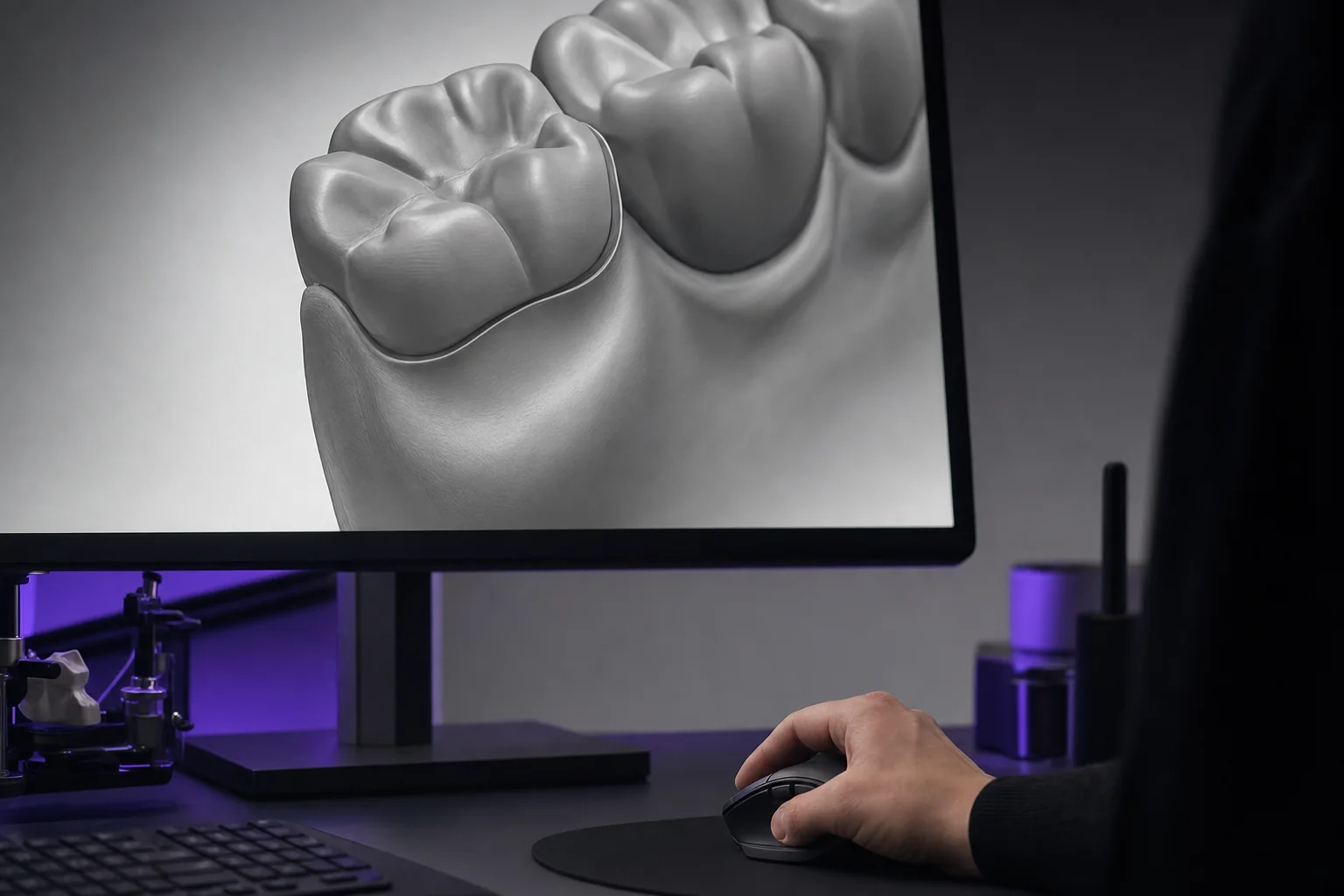
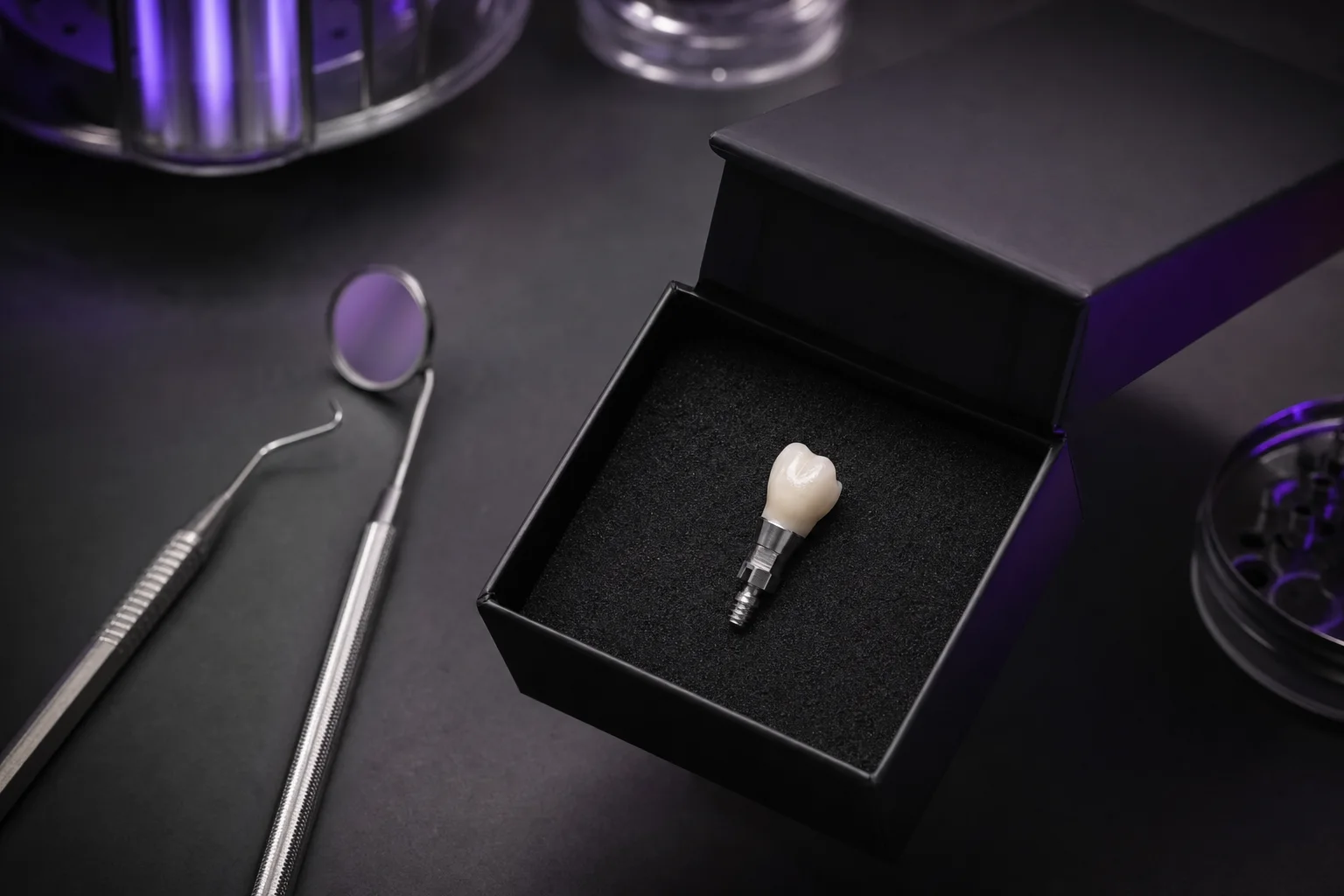
We build SCRP by default, so the crown seats clean with no cement under the gum and still unscrews if it ever has to.
See how it works
An implant crown joins the implant one of three ways. The choice quietly decides whether the crown can come back out, whether the margin stays clean, and whether any cement is left under the gum. Here is the plain version.
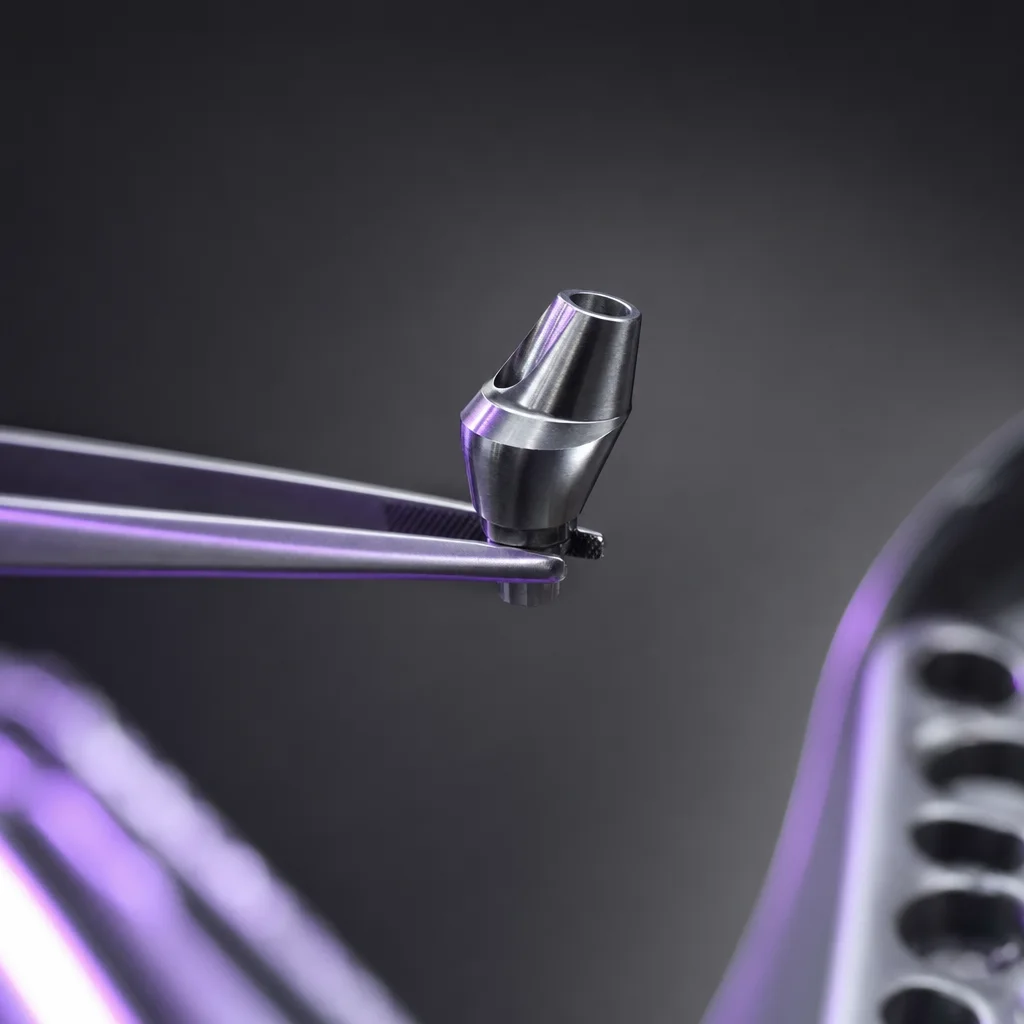
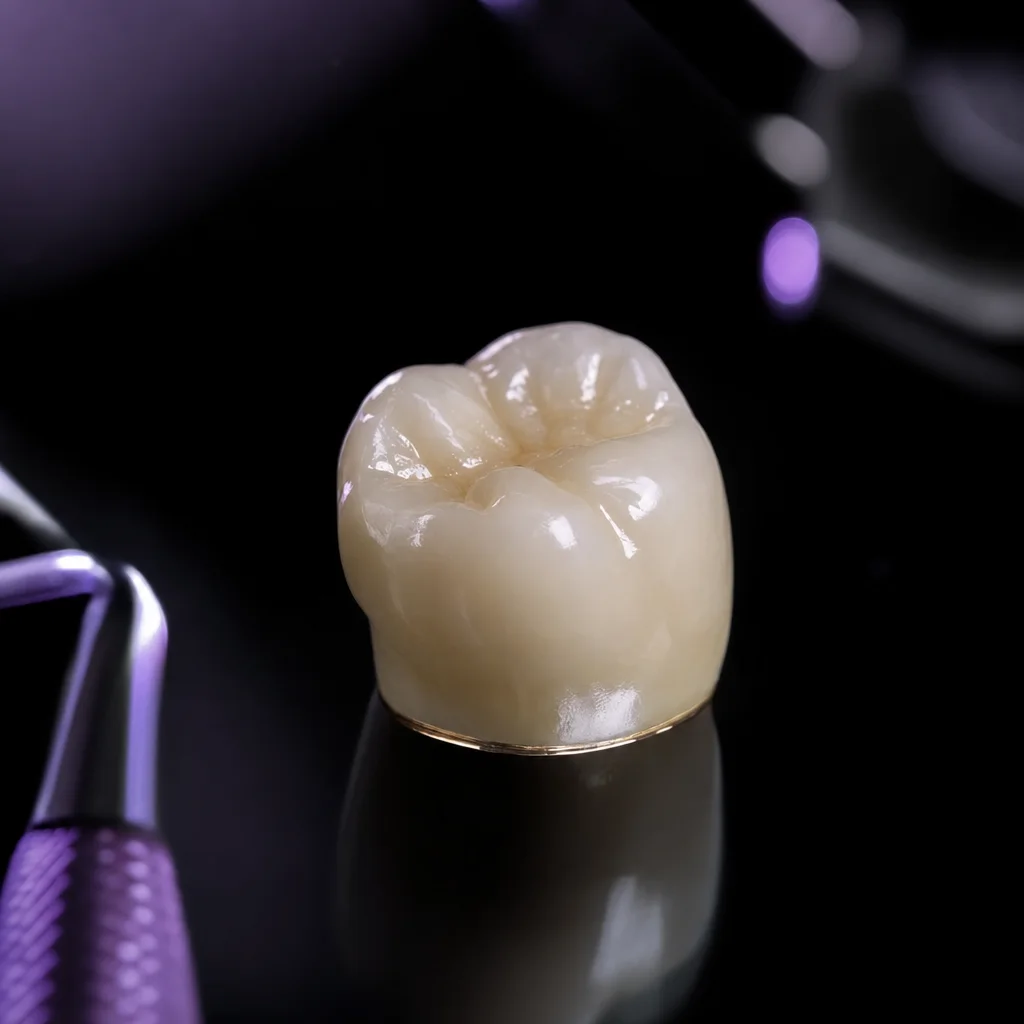
The crown is cemented onto the abutment, the same way a crown goes on a natural tooth.
Clean look with no access hole, but cement can be left behind under the gum, and the crown cannot be unscrewed later if the implant ever needs service.
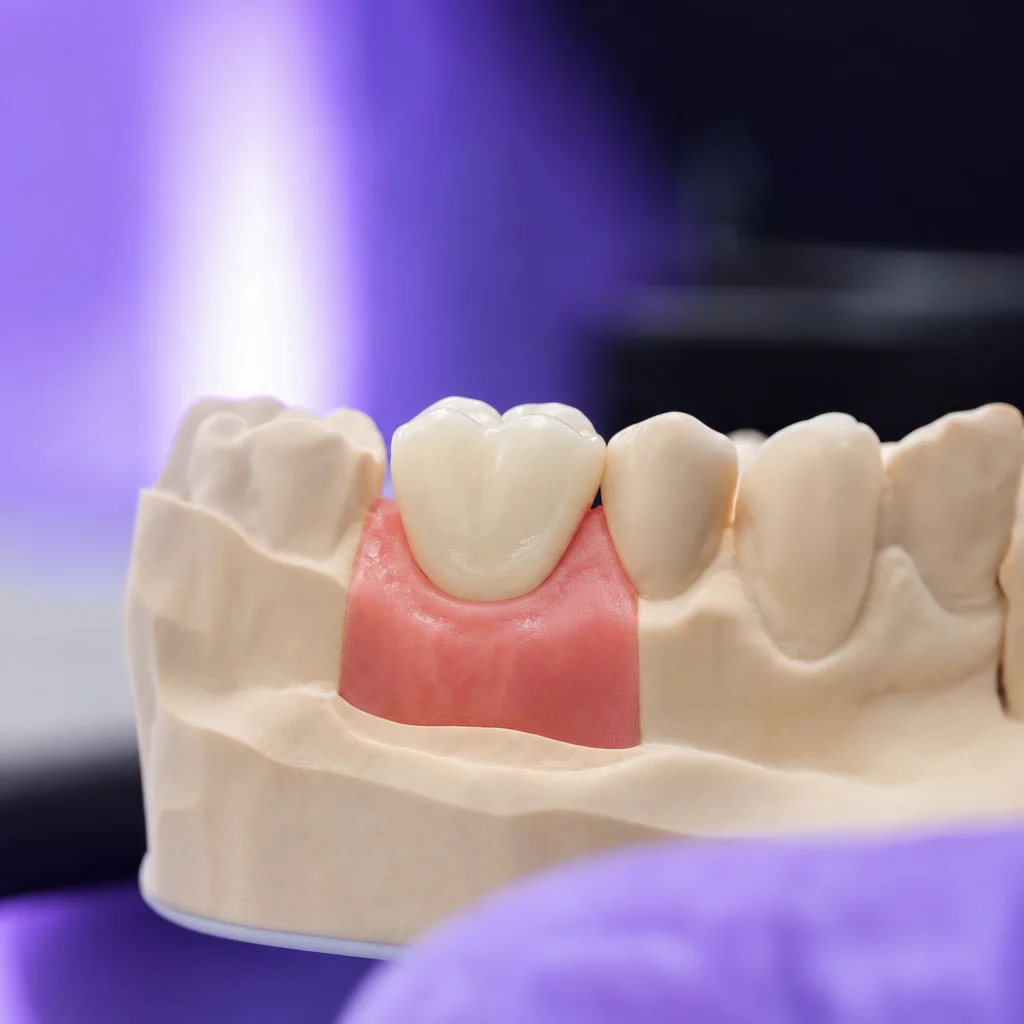
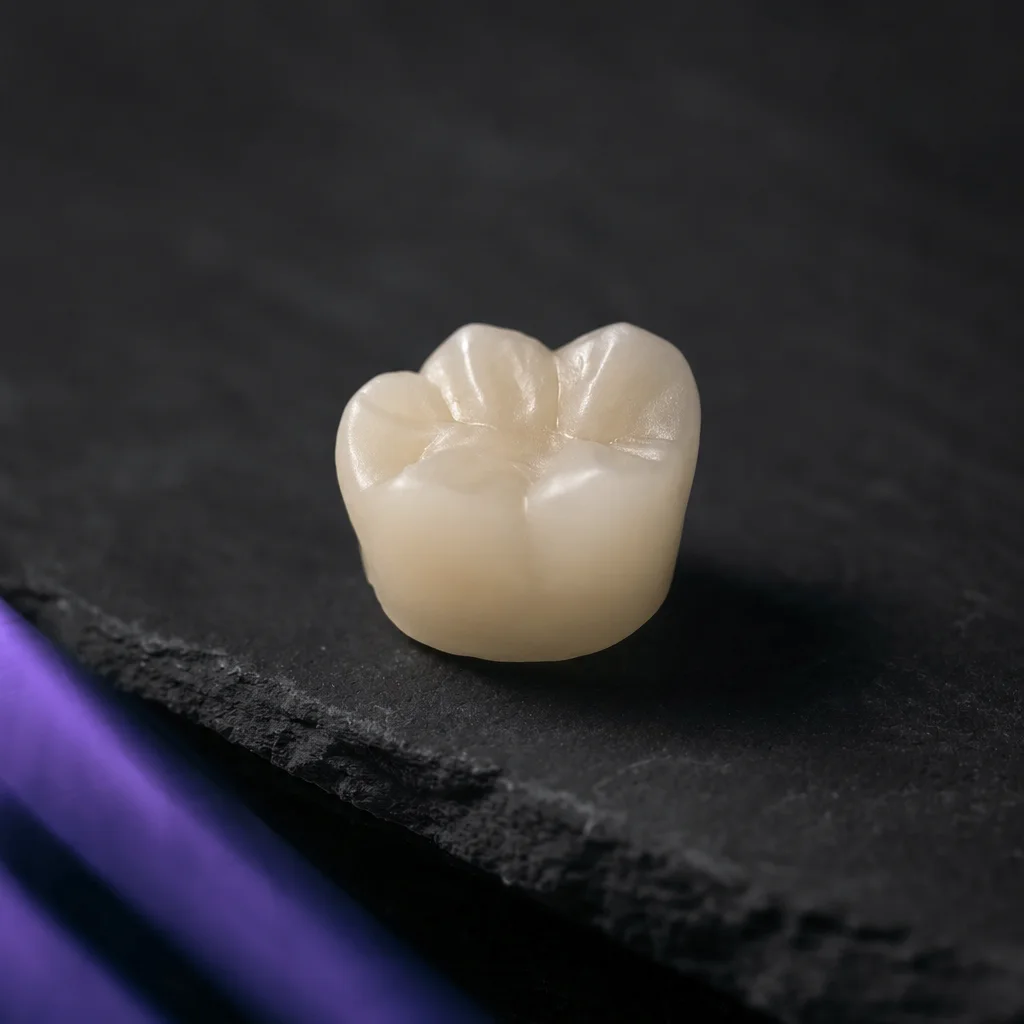
The crown screws straight into the implant through a small channel in the biting surface.
Fully retrievable with no cement to leave behind, but the access hole shows, and it only works when the implant angle lets the channel exit away from the edge that chews.
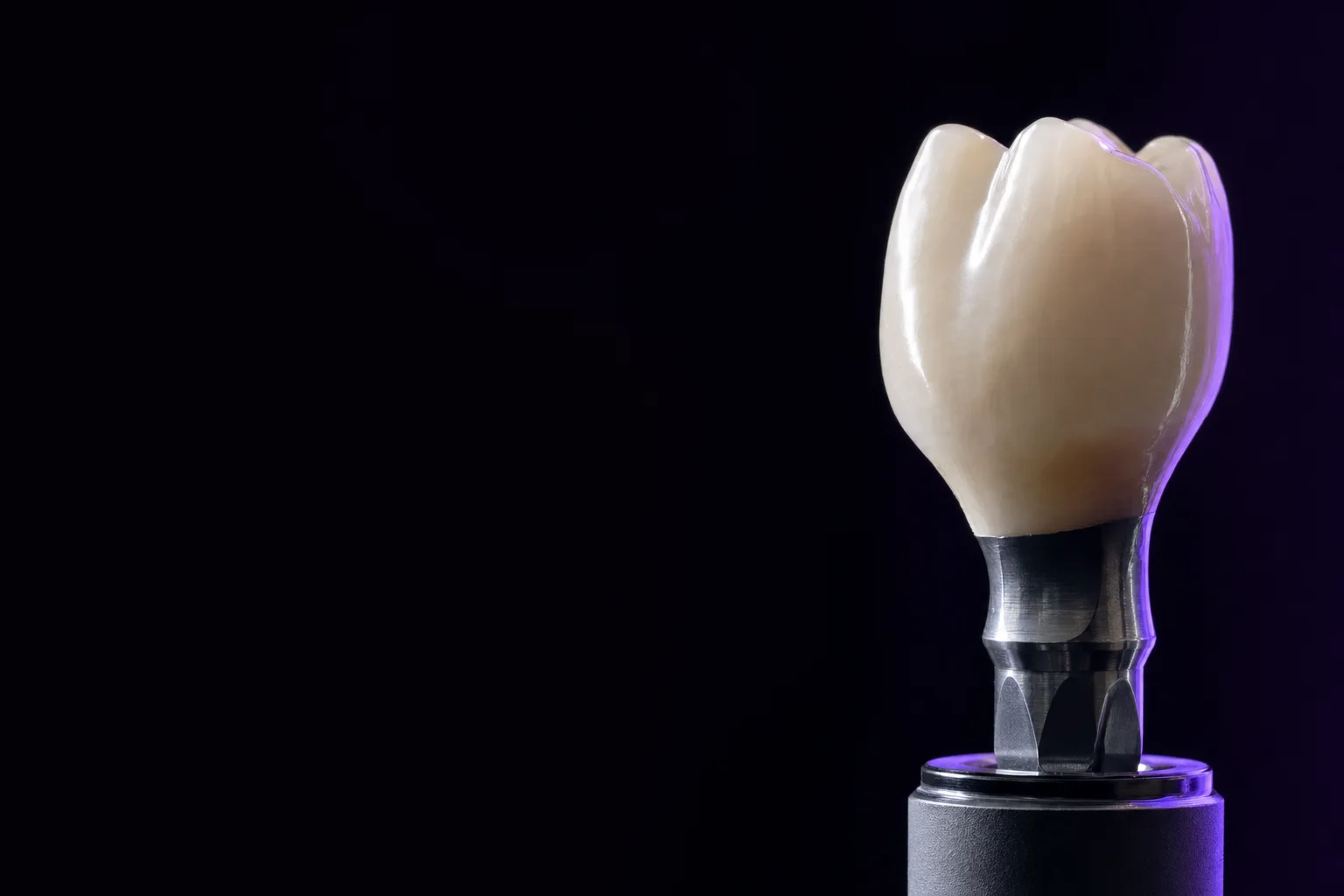
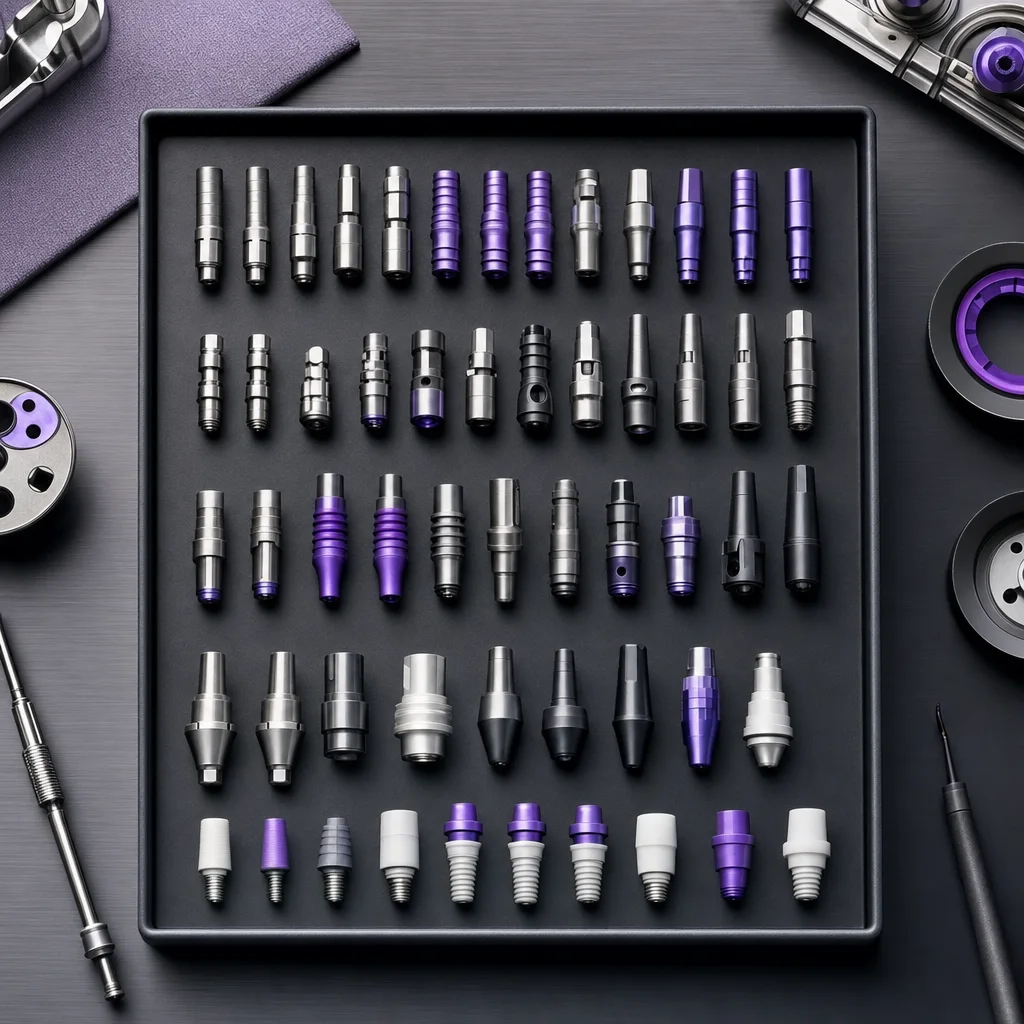
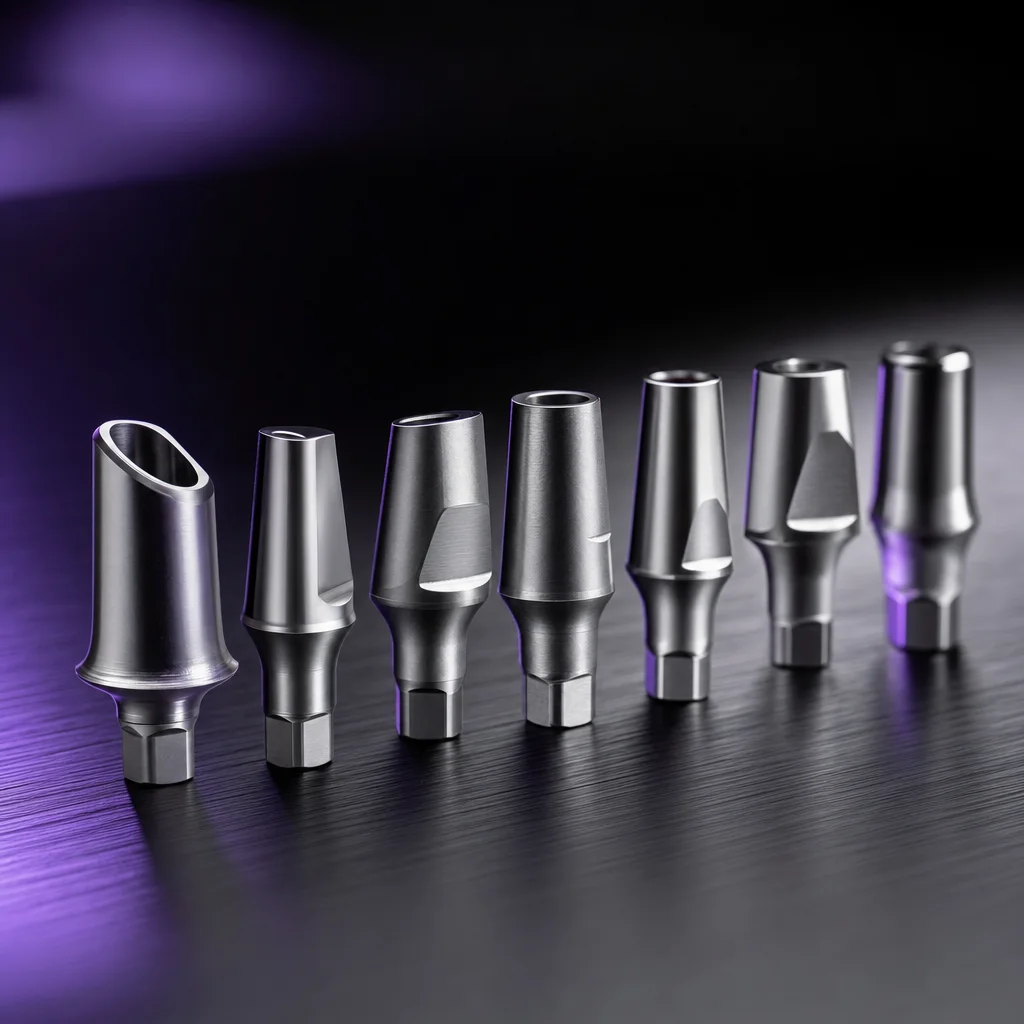
We cement the crown onto the abutment in the lab, off the mouth, then the whole unit screws into the implant.
The clean look of cement with no subgingival cement under the gum, and the crown still unscrews whenever you need it. Because we bond it extraorally, we can also angle the screw channel to correct a moderate implant tilt.
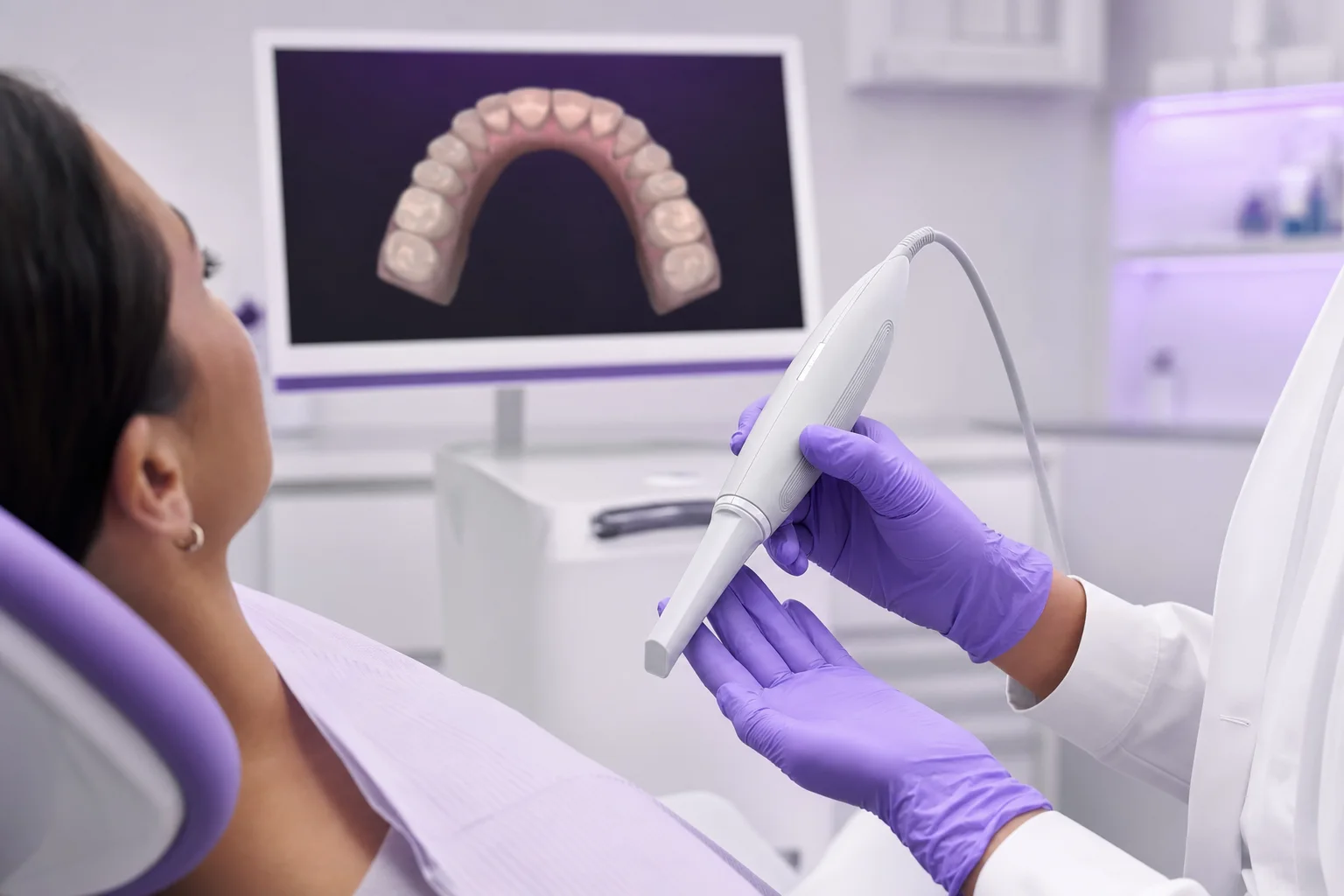
What we prepare for youwe build SCRP by default wherever the case allows, so the crown seats clean and still comes back out if it ever has to. When the angle or the esthetics call for a pure screw or pure cement design, we make that instead and tell you why. You never specify the retention choice; we read it from the scan and confirm it with you.