Just Polishing? Take a Closer Look at This Partial Denture Framework
At first glance, it might look like just another polishing job.
But take a closer look.
Every trim, every refined edge, and every check on the model is part of the work behind a finished partial denture framework.
Here’s what happens at the bench before it reaches your practice.
Inside the Lab: How a Partial Denture Framework Is Finished
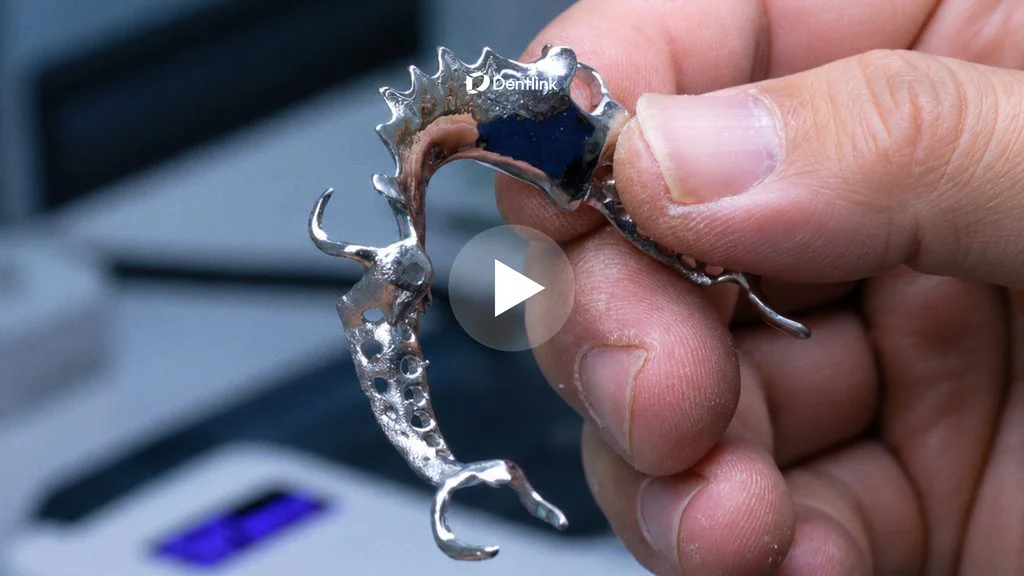
Watch our technicians trim, polish, and refine a metal partial denture framework at the Dentlink lab.
The video captures several stages of hands-on framework finishing.
1. Trimming and Refining the Metal
The process begins with trimming excess metal and refining the framework’s contours using rotary instruments.
The technician works around the framework’s different components, paying particular attention to smaller areas where precise control is needed.
The objective isn’t simply to remove material. It’s to refine the metal while preserving the intended framework design.
2. Polishing the Framework, Detail by Detail
Next comes surface refinement and polishing.
Watch how our technician works around the clasp arms, connectors, and smaller metal surfaces.
These areas require careful handling. Excessive material removal during finishing can affect how framework components contact the supporting teeth.
A polished surface matters, but so does preserving the shape and dimensions established during fabrication.
3. Checking the Framework on the Model
A critical part of the finishing process is checking the framework against the working model.
The technician places the framework on the model to inspect how its components relate to the remaining teeth and supporting structures.
This is an opportunity to identify areas that may need further attention before the restoration moves to the next stage.
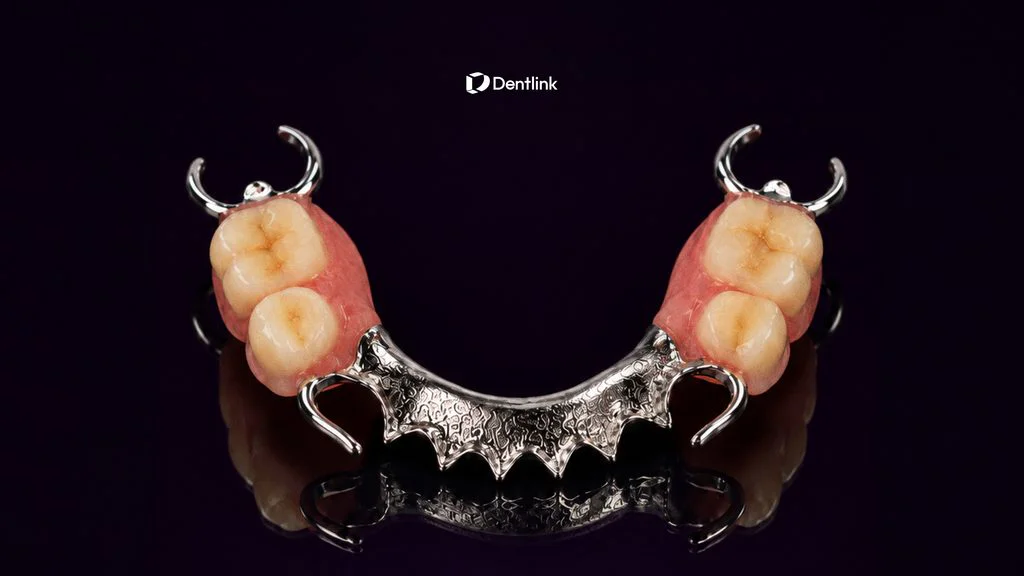
Why Partial Denture Framework Finishing Matters
For a dentist, the important question isn’t just whether the metal looks smooth.
It’s whether the framework has been carefully prepared for its intended function.
A removable partial denture framework includes components that serve different purposes:
- Clasps contribute to retention.
- Rests help provide support.
- Major and minor connectors link the framework components together.
Their dimensions and relationships need to be maintained throughout finishing.
That’s why careful trimming, controlled polishing, and checking the framework on the model are important parts of laboratory fabrication.
These steps support the intended framework geometry, although final fit and function still need to be evaluated clinically.
More Than a Polished Finish
It’s easy to focus on the shine of a finished metal framework.
But the real work is in the smaller details: the surfaces that have been refined, the clasp areas handled carefully, and the adjustments made before the framework leaves the bench.
At Dentlink, this hands-on craftsmanship is part of how our technicians approach removable partial denture cases.
Technology helps with fabrication. Skilled hands remain essential to the finishing process.
Made by Masters.
More to Explore: How a Removable Partial Denture Comes Together
Framework finishing is only one part of making a removable partial denture.
Want to know more about how framework design relates to the remaining teeth, support, and retention?
Read our earlier article: Removable Partial Denture Framework: Why Every Tooth Matters.
You can also explore how our technicians set denture teeth by hand in Conventional Denture Fabrication: How Teeth Are Set by Hand.
Have a Partial Denture Case Coming Up?
Whether your case calls for a cobalt-chromium or titanium framework, Dentlink offers removable partial denture options to suit different clinical needs.
Have questions about the right option for your patient? Denture consultation is free.
Explore Dentlink’s Denture Services
Ready to send your case? Upload your records and place your order through the Dentlink Portal.
Made by Masters.
Your first crown is on us.
Free implant crown, free scanbody kit, and $200 off your next case. Just send your first scan.

Add Dentlink in your scanner once. We set up the rest.