Conventional Denture Fabrication: How Teeth Are Set by Hand
You’ve seen our digital dentures, but did you know we make conventional dentures, too?
At Dentlink, digital technology is part of our work, but traditional hands-on craftsmanship still has its place.
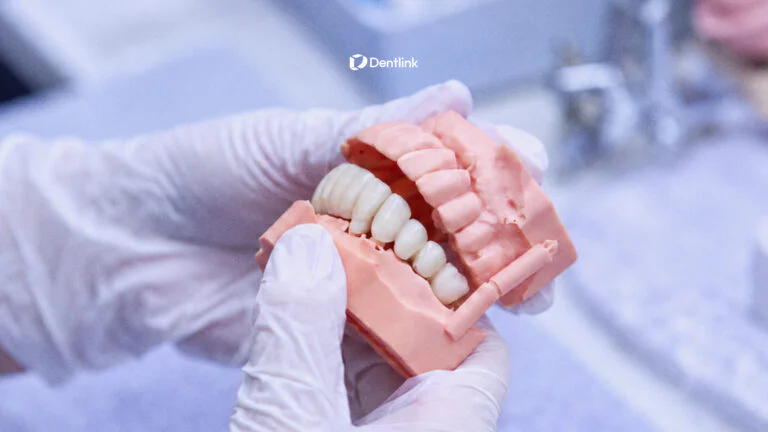
One of the most detailed stages of conventional denture fabrication is denture tooth setup. It’s where artificial teeth are carefully arranged in wax, one by one, and the surrounding wax is shaped to create natural-looking gum contours.
Let’s take a closer look at what goes into this process.
Denture Tooth Setup: One Tooth at a Time
In conventional denture fabrication, tooth setup is more than simply placing artificial teeth into a wax base.
Each tooth is positioned according to the planned arrangement, taking into account factors such as tooth alignment, occlusion, and overall esthetics.
Once the teeth are arranged, the technician shapes the surrounding wax to create gingival contours that resemble natural gum tissue.
The result is a wax denture setup that allows the dentist to evaluate the proposed tooth arrangement before final processing.
Watch the process: See how our master carefully sets each tooth in wax and shapes the gingival contours by hand.
Why Conventional Denture Fabrication Still Matters
Digital denture workflows have changed how many dentures are designed and manufactured. But conventional denture fabrication remains a valuable option, particularly when direct, hands-on adjustments are needed.
Working with wax allows technicians to make changes to individual tooth positions and refine gingival contours directly.
For dentists, this provides a tangible setup that can be evaluated and adjusted during the wax try-in stage.
Rather than treating digital and conventional methods as competing approaches, the focus should be on choosing a workflow that fits the clinical requirements of each case.
Curious How Digital Dentures Are Made?
While conventional dentures involve hand-setting teeth in wax, digital denture fabrication follows a different process—from CAD design and precision milling to the final refinements made by skilled technicians.
Want to see the difference? Watch our digital denture fabrication video in Digital Denture Workflow: From CAD/CAM to Final Finish.
What Happens After the Wax Denture Try-In?
Here’s an interesting part of conventional denture fabrication: the wax is temporary, but the tooth arrangement is intended to carry through to the final denture.
During the wax try-in, the dentist can evaluate tooth position, esthetics, occlusion, and other clinical considerations before approving the setup.
Once approved, the wax denture is prepared for acrylic processing.
The setup is invested in a mold, the wax is removed, and acrylic resin is used to form the final denture base. The mold is designed to preserve the planned arrangement of the artificial teeth during this process.
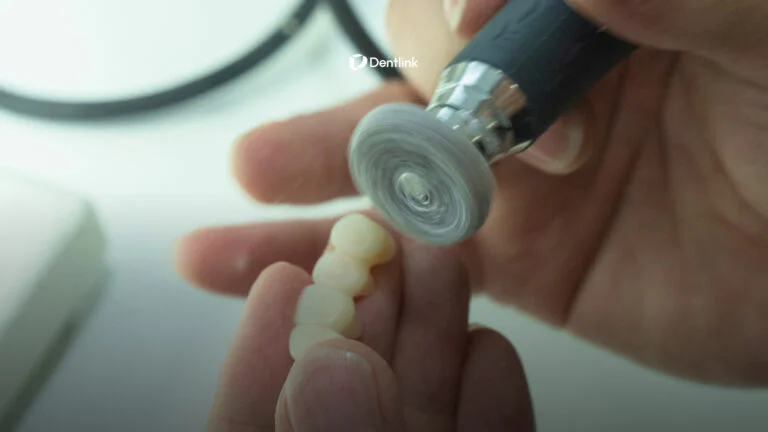
After processing, the denture is finished and checked, including any necessary occlusal adjustments.
What began as teeth arranged in wax becomes a finished acrylic denture.
Different Workflows. Same Attention to Detail.
Whether a denture is designed digitally or set up by hand, careful work is essential throughout the fabrication process.
At Dentlink, our technicians bring hands-on experience to both workflows, from digital design and finishing to conventional tooth setup and wax contouring.
Because the details matter, no matter how the denture is made.
Have a Denture Case Coming Up?
Whether you prefer conventional or digital denture fabrication, Dentlink is here to support your next case.
Explore our Denture Services to learn more about the options available.
Ready to get started?
Upload your scan data and place your next denture order directly through the Dentlink Portal.
Your first crown is on us.
Free implant crown, free scanbody kit, and $200 off your next case. Just send your first scan.
Create your Dentlink account, register your clinic, add Dentlink as your lab in your scanner software, then send your case.