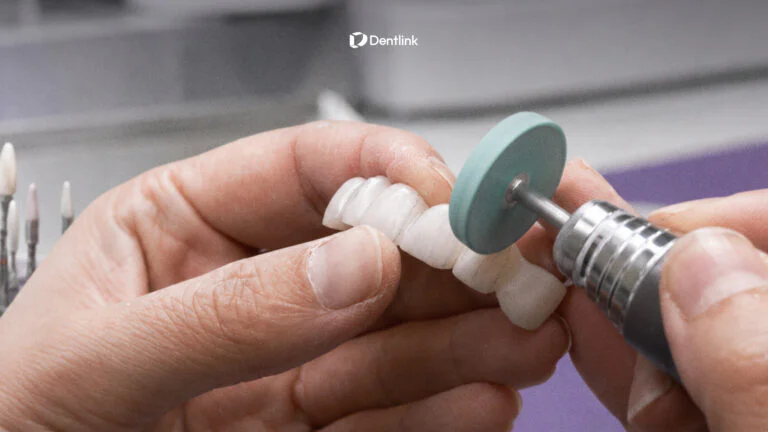
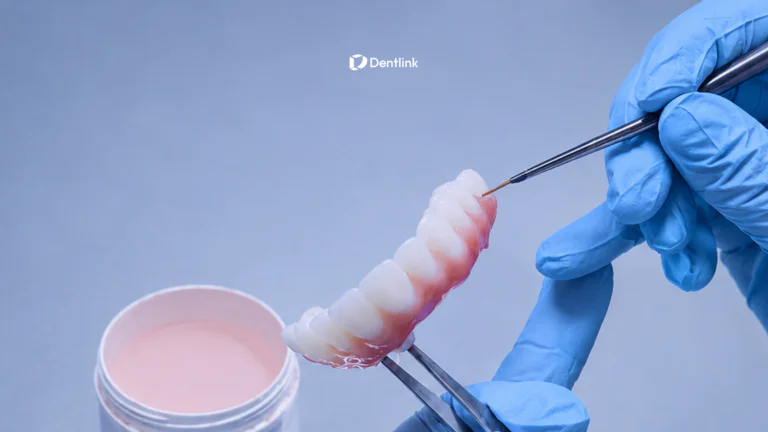
What Dental Lab Quality Looks Like at Delivery
Dental lab quality becomes real at the moment of delivery.
Does the restoration seat as expected? Are the contacts and shade right? How much chairside adjustment is needed before the case is ready for the patient?
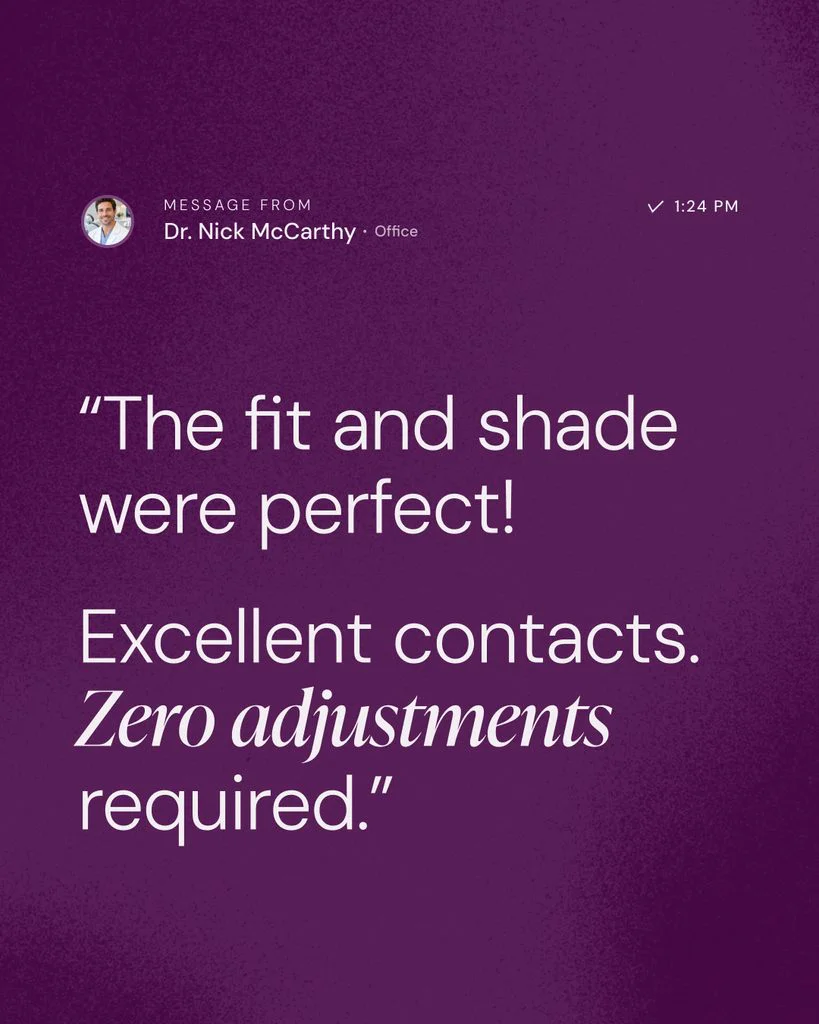
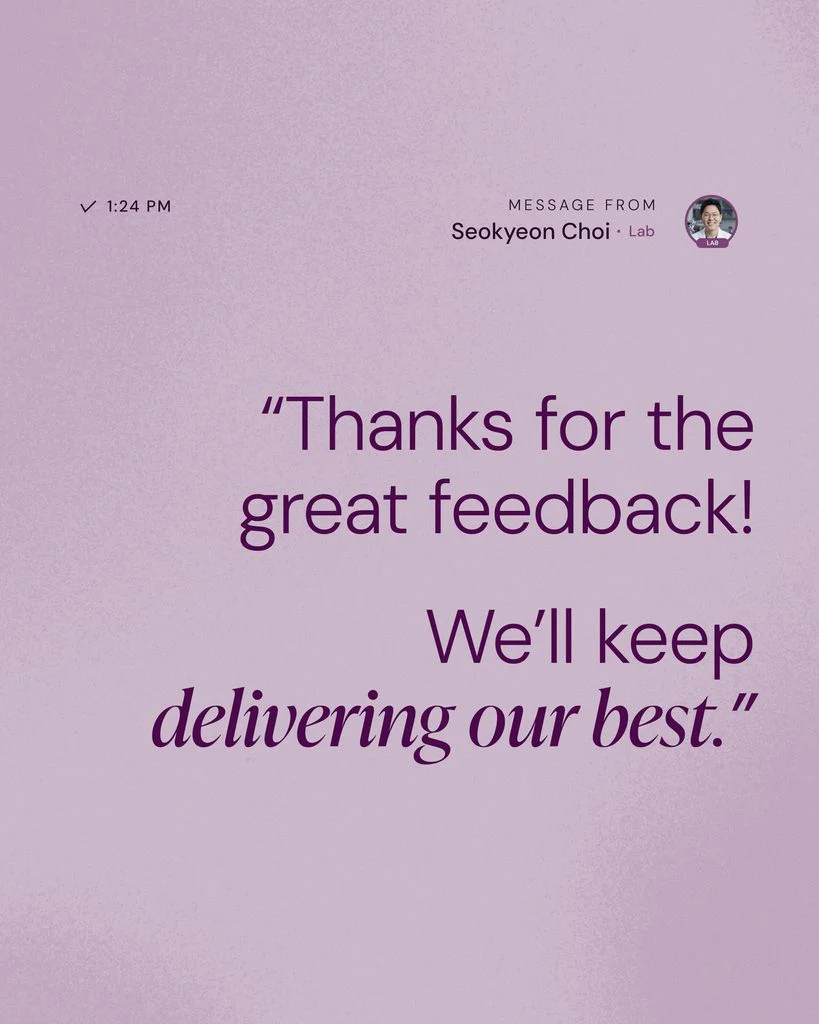
After inserting a recent bridge, Nick McCarthy shared this feedback with Dentlink:
“The fit and shade were perfect. Excellent contacts. Zero adjustments required.”
It is a short review, but it describes four details that matter during restoration delivery: fit, contacts, shade, and adjustment.
Zero adjustments cannot be promised for every clinical situation. But the feedback points to something every dental lab should work toward: a restoration that arrives ready for a predictable delivery.
Four Signs of Dental Lab Quality at Delivery
The final restoration may look complete when it leaves the laboratory, but its true performance is confirmed in the operatory.
Here are four practical signs of dental lab quality that dentists can evaluate at delivery.
1. The Restoration Seats as Expected
The first question is simple: does it seat?
A predictable dental restoration fit begins with accurate clinical records, but it also depends on how the laboratory interprets and handles those records.
Margin design, path of insertion, internal fit, and the relationship between abutments all need to be considered during design and fabrication. This becomes especially important with multi-unit restorations such as bridges, where one discrepancy can affect the seating of the entire case.
Marginal fit is also more than a convenience at delivery. Research has consistently treated accurate marginal adaptation as an important factor in the clinical performance of fixed restorations.
2. The Contacts Feel Intentional
Contacts that are too tight can prevent complete seating. Contacts that are too light may require correction or affect the final clinical result.
When the contacts feel right at delivery, it reflects more than a default CAD setting. It indicates that the technician considered the adjacent teeth, the scan or model, the selected restorative design, and the dentist’s preferences.
This is one reason continuity matters. A technician who understands how a dentist prefers proximal contacts can apply that knowledge to future cases instead of beginning from the same generic assumptions each time.
3. The Shade Works With the Case
A restoration can fit well and still require additional work if the shade does not integrate with the surrounding dentition.
Shade selection begins with the information provided by the clinic, but the laboratory must translate that information into the final material, translucency, characterization, and finish.
For a bridge or anterior restoration, the technician may need to consider more than a single shade tab. Photographs, underlying tooth color, adjacent restorations, stump shade, surface texture, and the lighting conditions used during evaluation can all affect the result.
Good dental lab quality brings those details together rather than treating shade as an isolated code on the prescription.
4. Chairside Adjustment Is Limited
A restoration may require some clinical verification or adjustment depending on the case. The goal is not to suggest that every restoration should be delivered without touching a bur.
The better question is whether extensive adjustment feels routine—or exceptional.
Repeated occlusal, contact, or internal adjustments add steps to the delivery appointment. They can also make the result feel less predictable for both the dentist and the patient.
In this bridge case, “zero adjustments required” was the clearest expression of success. The restoration did not simply look finished at the laboratory. It performed as intended when it reached the chair.
Quality Is Built Before the Delivery Appointment
Results like this take more than a good scan.
An intraoral scan provides the laboratory with essential clinical information, but it does not make every design decision automatically. Someone still needs to review the margins, evaluate the contacts, interpret the prescription, and understand what the dentist expects from the final restoration.
If a scan raises a question, technician judgment and direct communication also matter. Read more about how an experienced technician evaluates intraoral scan quality before fabrication.
At Dentlink, the workflow includes:
- Review of the scan and case information
- CAD design based on the clinical prescription
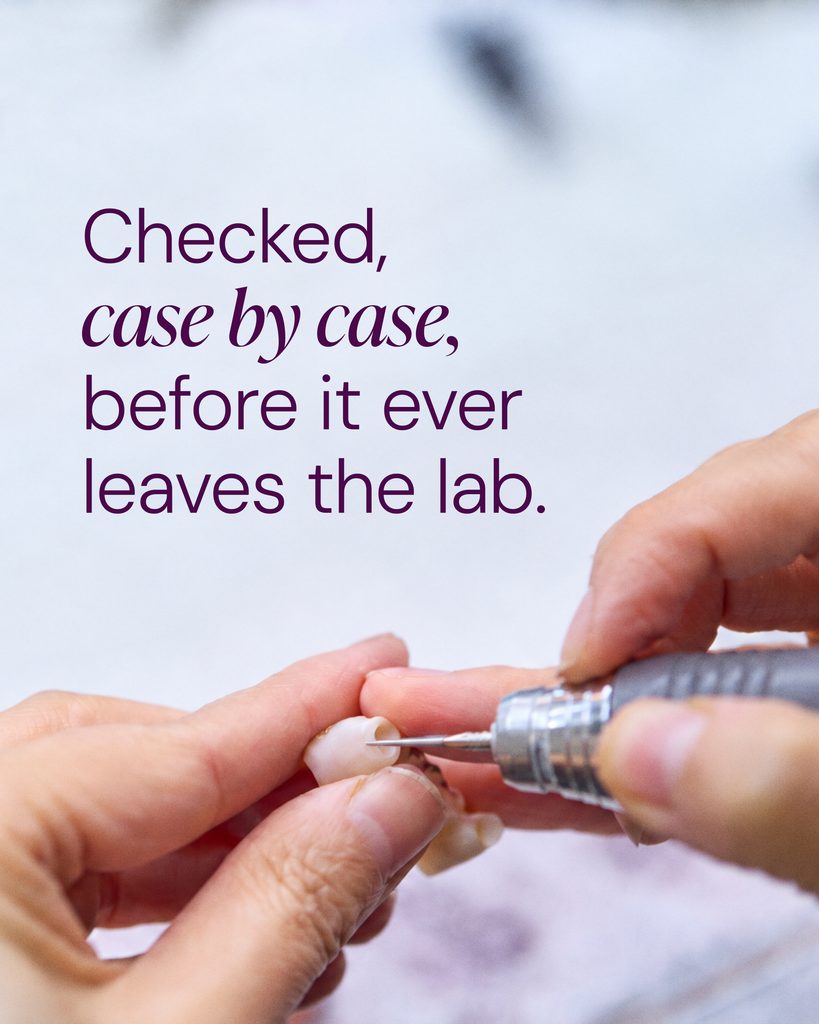
- Verification of margins, contacts, occlusion, and shade
- Final quality control before shipping
- Direct communication when a case requires clarification bia linkTalk
For a closer look at these stages, see how a Dentlink case moves from scan review to final delivery.
Each step contributes to the final dental restoration fit, but consistency also depends on who makes those decisions.
One Case Master. More Consistent Decisions.
At Dentlink, each practice works with a 1:1 designated Case Master.
That technician stays connected to the practice’s cases and becomes familiar with preferences related to margins, contacts, occlusion, contours, and communication. Instead of treating each prescription as an isolated order, the Case Master can carry what was learned from one case into the next.
This does not remove the clinical differences between patients. Every case still needs to be evaluated individually.
What it provides is continuity.
The same person can understand how the dentist works, recognize recurring preferences, and make more informed decisions throughout the laboratory process. Learn more about how Dentlink’s designated technician system works from the first case onward.
That continuity is an important part of dental lab quality because consistent results rarely come from technology alone. They come from technology, quality control, craftsmanship, and human judgment working together.
What Does Consistency Look Like Over Time?
A single successful case provides useful evidence. Consistency is established when the same attention continues across multiple cases.
Dentlink reports a less than 1% remake rate for implant crowns. This figure applies specifically to Dentlink implant crowns and should not be interpreted as a guarantee that every restoration will require no adjustment.
The more immediate proof still happens at delivery:
- The restoration seats as expected.
- The margins and contacts are clinically acceptable.
- The shade works with the case.
- The dentist can complete the delivery with minimal unnecessary adjustment.
That is where dental lab quality becomes visible—not as a general promise, but as a result the dentist can evaluate chairside.
The Best Quality Check Happens at the Chair
“The fit and shade were perfect. Excellent contacts. Zero adjustments required.”
This feedback captures what Dentlink works toward with every restoration: thoughtful decisions in the lab that support a smoother, more predictable delivery.
One Case Master. More consistent results.
Made by Masters.
Experience Dentlink Quality With Your Next Case
Your first case is on us—a crown, implant crown, or linkGuide made and shipped free, with no card or contract required.
Send your first case to Dentlink and experience the workflow with a designated Case Master.
Frequently Asked Questions
What are the main signs of dental lab quality?
Dentists can assess dental lab quality by reviewing restoration fit, marginal adaptation, proximal and occlusal contacts, shade, esthetics, communication, and the amount of chairside adjustment required at delivery.
Does zero adjustment mean a restoration is always perfect?
No laboratory can responsibly guarantee zero adjustment for every case. Clinical variables, records, preparation, occlusion, and patient-specific conditions can all affect delivery. Zero adjustment is best understood as an excellent case outcome and a goal supported by careful laboratory processes.
How can a dedicated dental technician improve consistency?
A dedicated technician can become familiar with a dentist’s preferences for margins, contacts, occlusion, contours, and case communication. That continuity helps the technician make more informed decisions from one case to the next.
Your first crown is on us.
Free implant crown, free scanbody kit, and $200 off your next case. Just send your first scan.
Create your Dentlink account, register your clinic, add Dentlink as your lab in your scanner software, then send your case.